
Listen on Spotify
Listen on Apple Podcasts
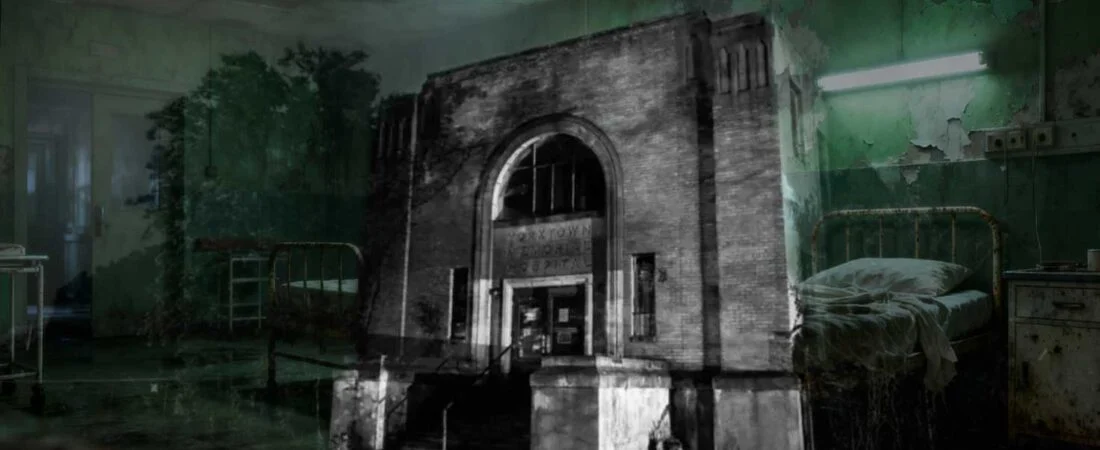
Yorktown Memorial Hospital sits abandoned in the quiet shadows of south Texas, its crumbling walls a stark memorial to decades of suffering, mistreatment, and unexplained death. Erected in 1950 by the Felician Sisters, the hospital was meant to be a beacon of healing. Instead, over 2,000 deaths were estimated to have occurred here across 35 years—an average of one per week—through waves of polio, smallpox, influenza, and even the earliest days of the AIDS crisis. But it was what came after death, and what still remains within these halls, that inspires true dread in all who enter.
Shadows in the Halls: The Hauntings Begin
No sooner had the hospital shuttered its doors than tales began to circulate about restless spirits that refused to leave. The musty corridors are said to be haunted by the spectral nuns who once ran the hospital with iron discipline. These nun apparitions are notorious—not only are they seen drifting through the deserted wards, but they actively target modern-day visitors. Those showing tattoos or wearing “inappropriate” clothing often report violent reactions: scratched arms, bruises, and even the inexplicable feeling of being pushed out by powerful, unseen forces.
The Black Mist and the Shadow Man
Down in the basement, where the air is icy and unnatural, visitors describe encounters with a sinister black mist that slithers through the darkness. The temperature drops abruptly. People describe overwhelming vertigo, shortness of breath, and a sense that something deeply malevolent is watching from just beyond the reach of their flashlights. Shadow figures with glowing red eyes are a common sight in these depths—especially near the priests’ quarters, which once witnessed unspoken tragedy. Many report violent pushes, uncanny EVPs (electronic voice phenomena), and messages that seem to come from another world: “Get out.” “You’re not safe.”
The most terrifying of these entities is the shadow figure known as the “Shadow Man,” who appears both inside and outside the old hospital. According to legend, near the back door—once the 24-hour entrance for emergency cases—a man desperately buzzed for help, but the bell was broken. He died waiting for aid that never came. Today, a hulking shadow is often seen lurking just where that man took his final breath, warning intruders of the fate that could await them.
Malpractice, Murder, and Moans
Inside the hospital’s memory-stained walls, stories of gruesome malpractice and murder abound. Among the most infamous legends is that of Dr. Leon Norwierski, an elderly and error-prone physician alleged to have killed a patient while attempting a neck surgery. Some whisper that this was no accident, while others believe he simply lost the ability to distinguish between life and death. His ghost is still said to wander the halls, seeking solace or perhaps forgiveness for his unknown number of victims.
Tragedy also ensued in the form of a deadly love triangle involving two employees and a patient—culminating in a bloody murder-suicide. Blood stains linger in the boiler room to this day. It’s there that visitors often hear inexplicable noises: screams, babies wailing, the echoes of moans cut short by violence.
The Church and the Unquiet Dead
The old chapel stands as a locus of supernatural activity. Those who linger here describe an oppressive darkness, organ music playing with no explanation, and cold, angry presences. Some claim to see figures sitting among the dusty pews, their faces shrouded in shadow. Even the current owner—a skeptic until experiencing the trauma firsthand—refuses to set foot inside anymore due to the sheer hostility and evil sensed in the atmosphere.
Encounters and Evidence
Modern-day ghost hunters, paranormal investigators, and journalists have recorded countless EVPs, captured ghostly apparitions, and fled after being violently shoved or scratched. A KENS 5 news crew documented whispers, screams, and the sensation of being touched by invisible hands. Among the spirits roaming the hospital are a playful little girl who moves toys and asks for her favorite story, and a malicious doctor who torments the living.
Conclusion
Yorktown Memorial Hospital’s legacy is not merely one of illness, suffering, or neglect, but of an evil that lingers. Every abandoned wing, every chilling shadow, every cry in the darkness is a chilling warning: in this place, death was not the end—and the living are never truly alone.